

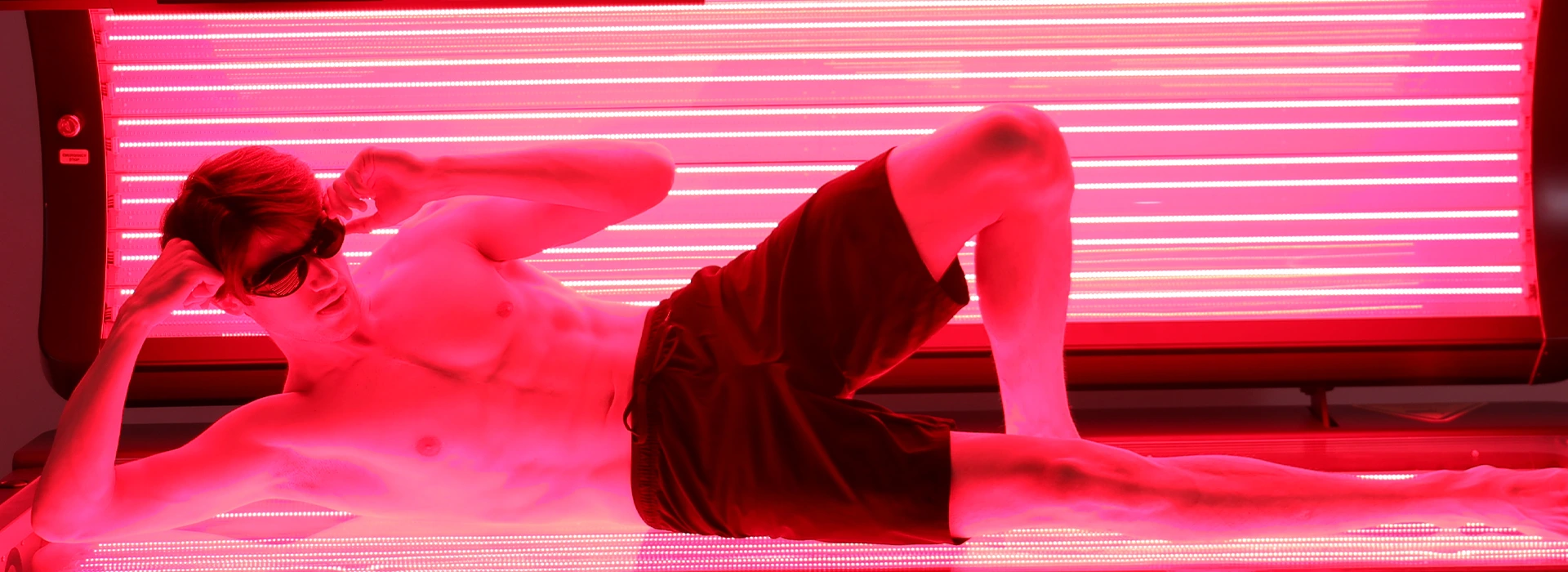
The pursuit of non-pharmacological, preventative, and acute relief solutions for primary headaches, including migraines and tension-type headaches, is a priority for experienced clinicians and wellness operators. For clients well-versed in advanced therapeutic modalities, simple pain management is often insufficient; the focus shifts to modulating the underlying neurobiological and cellular drivers of pain. This analysis explores Photobiomodulation (PBM) therapy—commonly referred to as Red Light Therapy—as a high-efficacy, non-invasive method utilizing specific LED wavelengths to achieve deep-seated cellular repair and neuro-modulation.
This is not an introductory guide. Instead, we examine the precise mechanisms of how light-emitting diodes (LEDs) in the red and near-infrared (NIR) spectrum deliver a therapeutic dose capable of interrupting the pain cycle. The successful implementation of this modality depends entirely on the use of professional-grade equipment, like those engineered by Magique Power, which deliver the necessary irradiance and spectral fidelity for meaningful results.
The Neurobiological Basis of PBM for Cephalalgia
The efficacy of PBM in managing chronic pain conditions, including headaches, is rooted in its ability to interact directly with mitochondrial function. This is critical because many headache pathologies are linked to neuronal metabolic dysfunction and localized neuroinflammation.
When photons in the therapeutic window (typically 600 nm to 1100 nm) are absorbed by the cellular chromophore cytochrome c oxidase (CCO) located in the inner mitochondrial membrane, a cascade of photochemical reactions is initiated. This process has two key outcomes essential for headache relief:
1.Enhanced ATP Synthesis: The absorption of photons dissociates inhibitory nitric oxide (NO) from CCO, which dramatically increases the electron transport chain’s efficiency. The resultant boost in Adenosine Triphosphate (ATP) production—the cell’s primary energy currency—improves neuronal metabolic capacity. For migraineurs, whose brains often exhibit impaired mitochondrial function during attacks, this influx of energy can restore cellular homeostasis and improve neurological resilience against triggers.
2.Anti-inflammatory Modulation: PBM reduces the production of pro-inflammatory cytokines while simultaneously promoting anti-inflammatory mediators. This targeted reduction of inflammation—a key component of both tension headaches and migraines—mitigates the neurovascular component of cephalalgia.
For experienced users, the depth of penetration and adequate dosing (fluence, measured in J/cm²) are non-negotiable requirements. The dual-pronged use of Red light (e.g., 660 nm) for superficial cell stimulation and Near-Infrared light (e.g., 850 nm and 940 nm) for penetrating deeper into the meninges, cortical surface, and cervical muscles ensures comprehensive therapeutic coverage.
Targeting Cranial Pain Pathways and Nerve Centers
Effective PBM protocols for headaches typically involve direct application to the head, face, and upper cervical spine (C1-C3). This anatomical targeting modulates several critical neurological structures implicated in chronic headache conditions:
- The Trigeminal Nerve:This nerve system is central to migraine pain. Applying NIR light to regions innervated by the trigeminal nerve can leverage the inhibitory effects of PBM, reducing nerve conduction velocity in Aδ and C pain fibers.
- The Sphenopalatine Ganglion (SPG):Located deep in the nasal cavity, the SPG is a complex cluster of parasympathetic and sensory neurons. Specific, high-fluence PBM delivery can inhibit SPG activity, mirroring the effects of pharmacological nerve blocks and leading to a reduction in both migraine pain and frequency.
- Cervical Musculature:Tension headaches and cervicogenic headaches frequently originate from trigger points and inflammation in the suboccipital and upper trapezius muscles. NIR PBM applied directly to these areas minimizes local inflammation and oxidative stress, enhances muscle endurance, and reduces nociceptive input to the brainstem.
A critical point for the informed operator is the distinction between cutaneous (skin) and visual application. While cutaneous application of red/NIR light is therapeutic, research indicates that non-targeted visual exposure to the same wavelengths can sometimes exacerbate migraine symptoms. Full-body systems must, therefore, be paired with appropriate ocular protection to ensure the maximum benefit of the PBM dose is delivered to the target tissues without visual pathway interference.
Selecting Professional-Grade Red Light Therapy Beds for Sale
The successful execution of PBM protocols for chronic and acute pain requires equipment that delivers clinical-grade irradiance across a verified spectrum. This is where the distinction between consumer devices and professional red light therapy beds for sale becomes paramount.
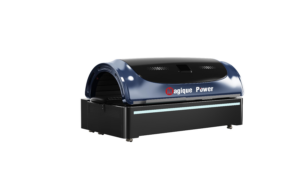
A system like the Magique Power 6000W full-body bed is engineered specifically for consistent, high-output professional use, offering specifications that experienced operators recognize as essential for deep therapeutic penetration:
Specification | Magique Power 6000W PBM System | Therapeutic Significance for Headaches |
Total Power | Up to 6000W | Ensures maximum energy delivery per session. |
LED Count | 43,200 Taiwan Epistar LEDs | Provides 360° uniform, dense, and comprehensive body and head coverage. |
Wavelengths | 633nm, 660nm (Red); 810nm, 850nm, 940nm (NIR) | Optimized spectral range to target both superficial skin cells and deeper neurological/muscular tissue. |
Irradiance | 129 mW/cm² | High irradiance ensures a clinically effective dose (fluence) can be delivered efficiently, reducing session time. |
Pulsing Frequency | Adjustable 1–10,000 Hz | Allows custom programming to match established protocols, leveraging the inhibitory effects of specific high frequencies on pain fibers. |
Certification | ISO 13485 (Medical Manufacturing) | Confirms adherence to strict quality management and regulatory compliance. |
The ability to precisely adjust intensity, time, and pulsing frequency through the intelligent control system ensures that treatment is customized, highly effective, and consistent across multiple clients. This precision is the benchmark for advanced pain management tools.
Beyond Primary Relief: Holistic Benefits and the Aesthetic Component
While the primary objective of applying PBM to the head and neck is acute pain relief and preventative modulation, the full-body application inherent in these advanced systems provides significant ancillary benefits.
For clients who include the face in their PBM sessions—which is common for trigeminal and tension headache relief—the dermal benefits are often realized first. The 633nm and 660nm wavelengths promote the synthesis of collagen and elastin by stimulating fibroblasts. This concurrent reduction in facial tension, inflammation, and oxidative stress leads to visible improvements in skin texture and tone. Examining red light therapy on face before and after photographic documentation demonstrates not only the aesthetic advantage but also the visible reduction of inflammation in the treatment area. The fact that high-quality, professional beds are designed to treat the entire body—including the complex, highly sensitive facial and cranial structures—reaffirms the modality’s role as a comprehensive wellness solution.
Conclusion
The use of specific LED wavelengths for headache and migraine management represents a sophisticated therapeutic strategy focused on cellular recovery and neurological stabilization. For experienced professionals, investing in technology that offers verifiable, high-density irradiance and a complete, clinically proven spectrum is essential. Magique Power full-body systems provide the required power and precision to integrate PBM as a foundational component in chronic pain and wellness management programs, moving beyond palliative care to true upstream metabolic and neurological support.
