

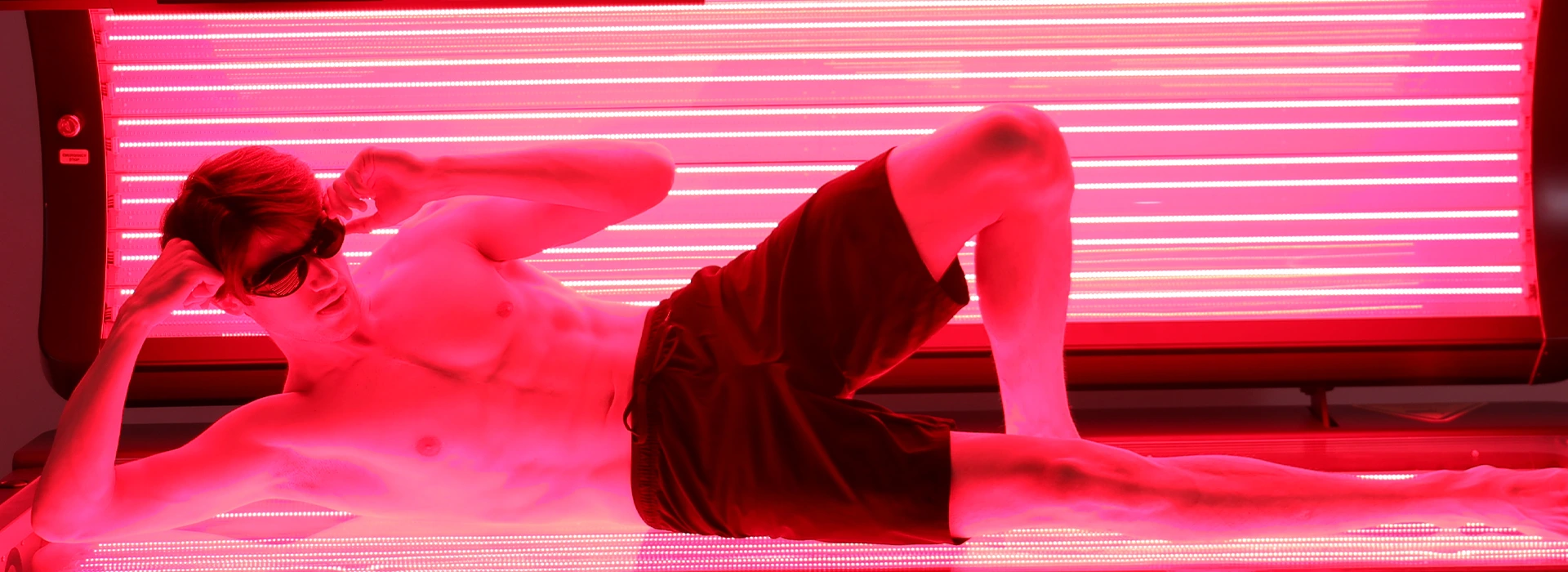
The management of scar tissue—whether resulting from cosmetic surgery, injury, or chronic conditions like acne—remains a critical focus in aesthetic and regenerative medicine. While conventional approaches yield varying results, experienced practitioners are increasingly turning to advanced light-based modalities to optimize tissue healing and minimize fibrosis. Specifically, the question of is red light therapy good for scars moves beyond simple efficacy and into the intricate cellular science of photobiomodulation (PBM).
For clinicians and wellness professionals dedicated to providing optimal regenerative outcomes, understanding the precise mechanism by which high-irradiance PBM influences dermal repair is paramount. This paper explores the scientific basis for using red and near-infrared (NIR) light to remodel scar tissue and introduces the industry-leading solutions that meet these professional demands.
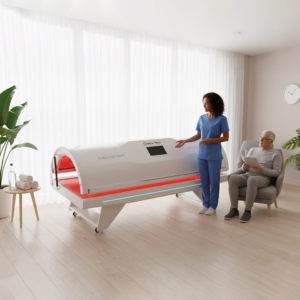
The Core Mechanism: How Photobiomodulation Addresses Scar Tissue
red light therapy for scars is not a superficial treatment; it is a deep cellular intervention rooted in mitochondrial physiology. Scars form when the body rapidly deploys fibroblasts to produce large, disorganized amounts of collagen to close a wound. This chaotic process often results in the raised, discolored, and inelastic tissue characteristic of a scar.
PBM intervenes by delivering specific therapeutic wavelengths, typically in the 630 nm to 850 nm range, which are absorbed by chromophores within the cell, most notably cytochrome c oxidase (CCO) inside the mitochondria.
The absorption of this energy triggers a cascade of anti-inflammatory and regenerative effects:
1.Enhanced Cellular Energy (ATP Production): The light absorption increases the efficiency of the mitochondrial electron transport chain, boosting the production of Adenosine Triphosphate (ATP). This increased energy currency fuels the cells responsible for wound repair, accelerating tissue regeneration.
2.Fibroblast Modulation: RLT specifically influences fibroblast activity. Instead of merely driving rapid, excessive collagen synthesis (fibrosis), PBM helps regulate these processes. Studies indicate that PBM can decrease the proliferation and migration speed of human skin fibroblasts at therapeutic fluences. This regulation encourages the deposition of collagen in a more organized, basket-weave pattern, rather than the cross-linked, stiff structure typical of hypertrophic or keloid scars.
3.Angiogenesis and Circulation: Near-infrared wavelengths penetrate deep enough to promote angiogenesis (the formation of new blood vessels). Improved microcirculation ensures that the treated area receives a robust supply of oxygen, nutrients, and immune cells, which are crucial for resolving inflammation and maintaining balanced tissue homeostasis.
In essence, RLT acts as a cellular conductor, shifting the environment from one of frantic, inflammatory repair to one of organized, efficient regeneration. This is particularly beneficial in the early postoperative period to prevent excessive fibrosis, and over time, to soften and improve the pliability and color of existing scar tissue.
Targeting Scar Formation: Precise Wavelengths for Deeper Dermal Remodeling
For experienced users, the therapeutic window—the specific wavelength and irradiance combination required for optimal scar treatment—is everything. The wavelengths used in professional red light therapy for scars are precisely chosen for their depth of penetration.
Red Light (633 nm, 660 nm): These specific wavelengths efficiently target the upper dermal layers, effectively modulating inflammation and stimulating fibroblast activity for immediate collagen regulation and pigmentation normalization (fading the redness/discoloration of fresh scars).
Near-Infrared (NIR) Light (810 nm, 850 nm, 940 nm): NIR at these precise wavelengths penetrates significantly deeper, reaching subcutaneous tissues, muscles, and deeper scar bases. This depth is vital for managing thicker, older, or more severe scars where the fibrotic tissue is extensive. The deeper light mitigates chronic inflammation and promotes better blood flow to remodel the deepest layers of the scar matrix.
By combining these spectral ranges, practitioners can leverage a full-spectrum approach to tackle both the superficial appearance and the deep structural characteristics of the scar.
Bridging Clinical Efficacy and Implementation: Introducing Magique Power
To realize the full clinical potential of PBM, the device must deliver consistent, precise, and high-intensity output. This is where the engineering of professional equipment becomes the defining factor. For facilities seeking to offer the most intensive and effective treatments, the best red light therapy beds are those built with precision-driven, medical-grade components.
The Magique Power LUM-R4500 red light therapy bed embodies clinical-level performance. As a brand synonymous with advanced light therapy solutions, it is engineered for professional-grade efficacy and durability, meeting the exacting standards of an experienced clientele.
These systems move beyond typical consumer panels by providing:
Massive Power Output: Delivering the necessary energy to reach deep scar tissue and sustain high photobiological activity across the entire body.
360° Uniform Coverage: For clients with multiple surgical incisions, widespread acne scarring, or extensive stretch marks (a form of dermal scarring), uniform whole-body irradiance ensures no area is under-dosed.
Wavelength Precision: Providing clinically validated spectral outputs that are adjustable for highly specific treatment protocols.
Engineered for Precision: Magique Power Specifications
- The Magique PowerLUM-R4500 full-body system exemplifies why it is classified among the best red light therapy beds on the market, offering precise specifications critical for advanced scar management protocols:
- LED Array & Power:Built with an array of 32,000 high-quality LEDs, the unit delivers a total power of 4500W.
- Irradiance:A crucial metric for efficacy, the system provides an irradiance of 95 mW/cm² . This high intensity ensures adequate fluence delivery in shorter session times.
- Wavelength Spectrum:The bed utilizes five professional wavelengths, including the highly effective scar-treating range: Red (633 nm, 660 nm) and Near-Infrared (810 nm, 850 nm, 940 nm).
- Customizable Pulsing:Features include a pulsing frequency range of 1–10,000 Hz. For experienced users, this manual mode allows for customization, as certain pulsing protocols (such as those used in neuro-PBM) may optimize cellular response beyond continuous wave operation.
- Space-Efficient Design: The LUM-R4500 features a more compact footprint compared to larger models, making it suitable for clinics where space optimization is key, without compromising on the full-body treatment experience.
- Clinical Versatility:The intelligent control system includes pre-set modes, such as the “Boost Collagen” setting, and a manual mode, granting practitioners the flexibility required for research applications and highly customized patient care.
In conclusion, the answer to is red light therapy good for scars is a qualified and resounding “Yes,” provided the device is engineered to deliver the precise wavelengths and therapeutic irradiance required to stimulate true cellular remodeling. For the experienced user, this precision and power translate into better patient outcomes and more reliable results. Adopting the clinical-grade performance of Magique Power red light therapy beds ensures that practitioners are operating with a system capable of maximizing the regenerative potential of PBM for effective scar management.
