

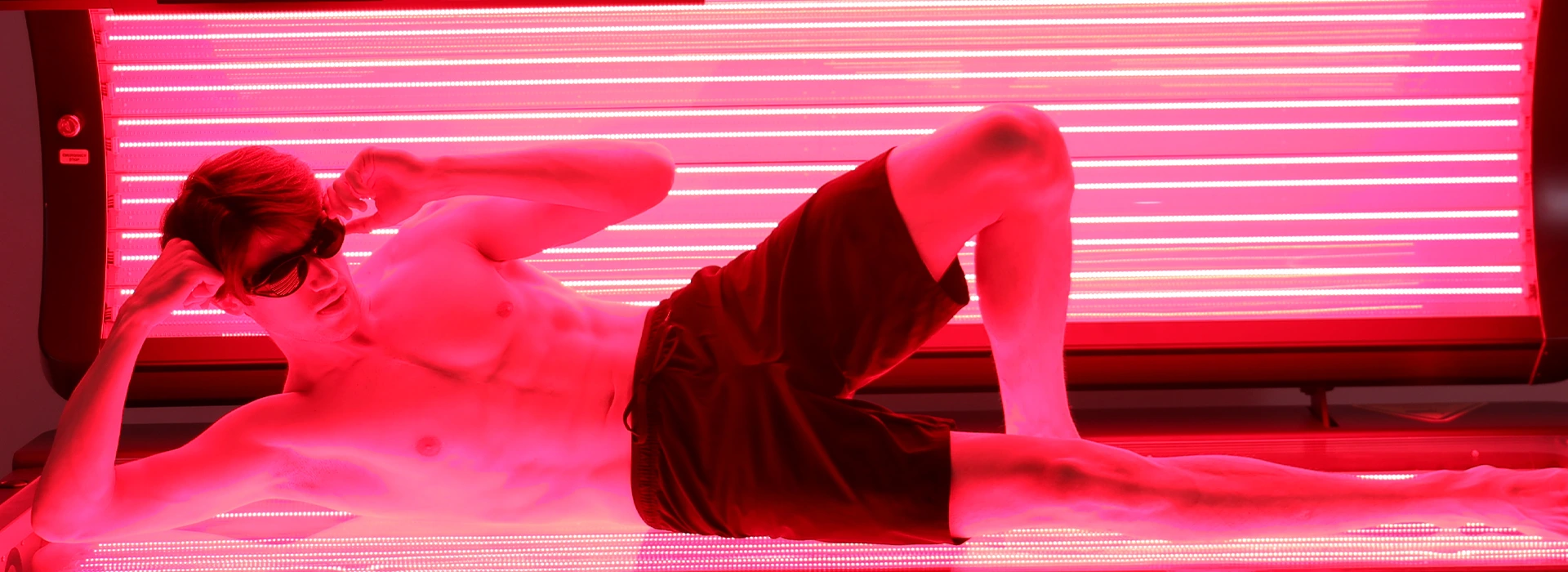
For seasoned practitioners and investors in the photobiomodulation (PBM) space, the question is not if red light therapy works for scars, but how the optimized application of specific wavelengths and advanced delivery systems can translate theoretical cellular mechanisms into predictable, superior patient outcomes. Scar revision remains a persistent challenge in dermatological and post-surgical care, yet PBM offers a non-ablative, highly effective modality.
This article delves into the precise biophysical mechanisms of how red and near-infrared light interact with fibrotic tissue, detailing the critical operational parameters that differentiate therapeutic success. It also introduces Magique Power—a brand synonymous with medical-grade quality and precision engineering in professional PBM systems.
The Biophysics of Scar Remodeling: PBM’s Role
Scar formation is a complex, multi-phase cascade involving coagulation, inflammation, proliferation, and ultimately, tissue remodeling. Pathological scarring, such as hypertrophic scars and keloids, arises from dysregulated activity, primarily the overproliferation of fibroblasts and the excessive, disorganized deposition of Extracellular Matrix (ECM) components, chiefly Type I and Type III collagen.
Photobiomodulation (PBM), utilizing wavelengths typically in the red (600–700 nm) and near-infrared (700–1000 nm) spectrum, directly influences this cellular pathology. The key photoacceptor molecule is mitochondrial cytochrome c oxidase (Cox), the terminal enzyme of the electron transport chain. Photon absorption at these critical wavelengths leads to:
1.Enhanced ATP Synthesis: Increased mitochondrial respiration boosts adenosine triphosphate (ATP) production, providing the energy necessary for cellular proliferation, migration, and repair.
2.Nitric Oxide (NO) Modulation: PBM causes the photodissociation of inhibitory nitric oxide from Cox, reversing temporary mitochondrial inhibition and increasing oxygen consumption within the cell.
3.Fibroblast & Collagen Regulation: This surge in cellular energy and signaling factors (like Reactive Oxygen Species—ROS) triggers a cascade that directly impacts fibroblasts.
- Early Phase Wounds:PBM accelerates the proliferation and migration of fibroblasts and keratinocytes, hastening tissue closure and mitigating prolonged inflammatory phases.
- Fibrotic Tissue (Scars):For established scars, PBM, particularly when delivered at optimal fluence, exhibits powerful anti-fibrotic Studies demonstrate that precise dosing can inhibit excessive fibroblast proliferation and suppress the synthesis of key fibrotic markers, such as TGF-β1, which drives excessive collagen production. This action supports the re-alignment and dissolution of existing, disorganized scar collagen, leading to improved pliability and reduced height and redness.
The clinical literature confirms PBM’s efficacy, with trials showing significant improvements in the Vancouver Scar Scale (VSS) metrics, including scar vascularity, pigmentation, and pliability, often demonstrating superior results when treatments are initiated in the early post-operative period.
Selecting the Best Red Light Therapy Beds: Precision and Power
The effectiveness of PBM for scar revision is not device-dependent, but rather parameter-dependent. For experienced practitioners, this requires using systems that can deliver highly consistent, targeted, and repeatable doses—a necessity when treating scars where therapeutic windows are tight. This is why investing in the best red light therapy beds is a non-negotiable step for professional service providers.
Optimal PBM systems must meet stringent criteria for spectral purity, power density, and safety certification:
- Wavelength Selection:The ideal configuration combines visible red light (e.g., 630 nm or 660 nm) for superficial skin layers with near-infrared light (e.g., 810 nm or 850 nm) for deeper penetration into the reticular dermis and underlying fibrous tissue.
- Irradiance (Power Density):Measured in mW/cm², this determines how quickly the dose (fluence) can be delivered. Professional-grade beds allow for rapid, high-intensity application necessary to achieve therapeutic doses in a full-body application without excessive treatment times.
- Fluence (Dose):Measured in J/cm², the total energy delivered is the most critical variable. Protocols often cite doses ranging from 3 J/cm² for recent, superficial acne scars up to 10 J/cm² or more for older, dense hypertrophic or keloid tissue.
Magique Power: Setting the Benchmark for Professional PBM Delivery
The Magique Power brand focuses exclusively on delivering the precision and reliability required by professional operators and OEM/ODM partners. Understanding that the therapeutic window for scar treatment is narrow, Magique Power systems are built upon core tenets of advanced engineering:
- Medical-Grade Compliance:Adherence to standards like ISO 13485 ensures robust quality management throughout the manufacturing process, a critical factor when dealing with clinical-grade modalities.
- Premium Componentry:Systems utilize original Epistar LED chips and high-purity gold wire bonding, guaranteeing spectral purity and an extremely tight wavelength tolerance (typically within ±3 nm). This precision is vital for accurately hitting the narrow absorption peak of mitochondrial Cox.
- Dose Delivery Innovation:Magique Power systems are engineered to achieve high, consistent power density across the entire treatment area, enabling practitioners to deliver the necessary therapeutic fluence for deep scar revision protocols in efficient, repeatable sessions.
Beyond spectral and power performance, Magique Power integrates intelligent features optimized for professional settings, such as proprietary Cross-modal Intelligent Interaction systems. This allows experienced operators to customize and log complex multi-wavelength and multi-irradiance protocols, ensuring consistency across a patient cohort and enhancing treatment efficacy for diverse scar types—from post-surgical incisions to long-standing burn scars.
Strategic Protocols for Red Light Therapy for Scars
For the experienced aesthetic professional, implementing red light therapy for scars requires protocol sophistication:
1.Immediate Post-Surgical Care (Prevention): Initiate PBM as soon as deemed safe by the surgeon (often 1-2 weeks post-operation). Lower, anti-inflammatory doses (e.g., 3-5 J/cm² in the red spectrum) can modulate the inflammatory phase and promote organized collagen deposition from the outset.
2.Existing Hypertrophic/Keloid Scars (Revision):Higher, deeper-penetrating doses (e.g., 5-10 J/cm² combining red and NIR) are necessary to leverage the anti-fibrotic mechanism of PBM. The goal is to stimulate remodeling enzymes and suppress excessive collagen accumulation.
3.Frequency: Treatment frequency is typically 2-3 times per week, requiring a minimum of 10-15 sessions for clinically significant results in established scarring. The full-body application capabilities of Magique Power beds also allow for systemic bio-stimulation, which can optimize overall healing responses.
The proven cellular mechanisms—specifically the dual capability to stimulate repair in early wounds and exert anti-fibrotic control in established scars—confirm PBM’s clinical utility. By selecting precision-engineered equipment like the offerings from the Magique Power brand, professional clinics can confidently deliver optimized treatments, moving PBM from an alternative therapy to a front-line strategy in scar management.
