

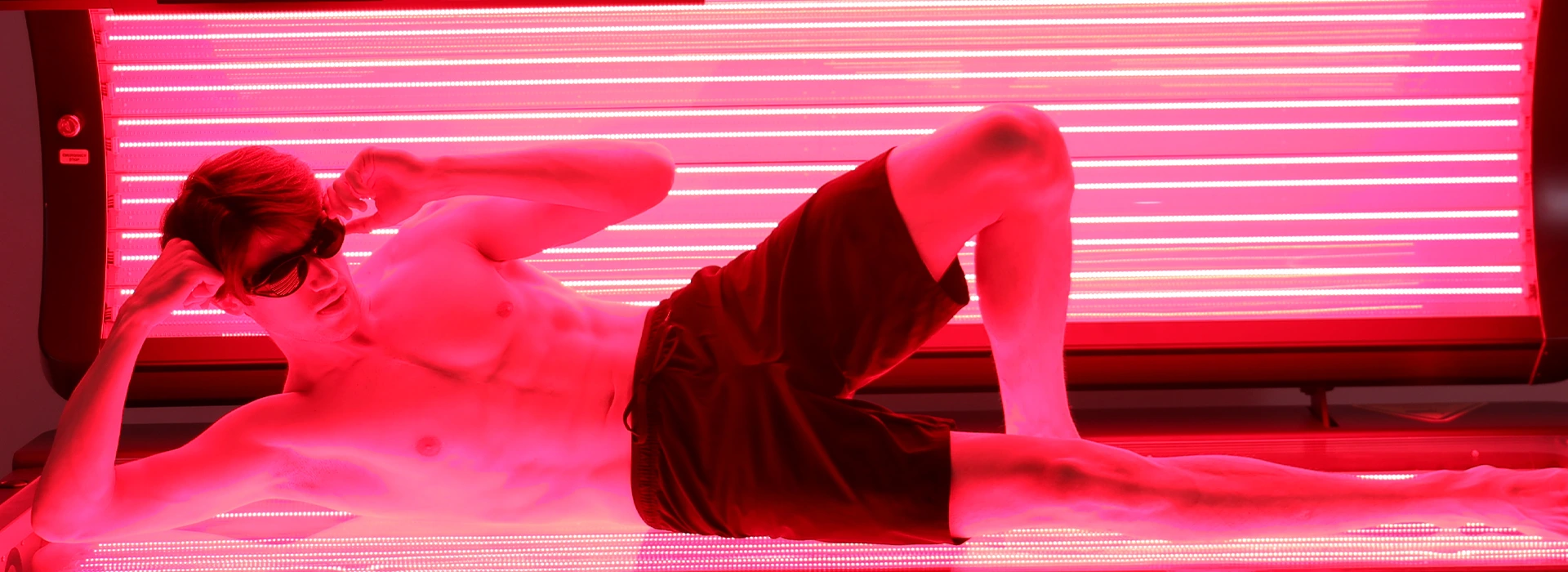
For experienced practitioners and sophisticated clients, the efficacy of Photobiomodulation (PBM) therapy is not solely determined by the light session itself, but by the critical cellular window immediately following exposure. When utilizing high-irradiance, clinical-grade equipment, the goal is to optimize the cascade of photochemical reactions initiated by the light—specifically the mitochondrial signaling, Nitric Oxide (NO) release, and Adenosine Triphosphate (ATP) production. To maximize therapeutic outcomes and client investment, understanding post-session non-compliance is as vital as adherence to the PBM protocol.
This analysis details the common pitfalls, or the “don’ts,” that can negate the potent cellular advantages achieved during a treatment session, particularly when employing advanced systems like those manufactured by Magique Power.
Contraindications: Key Populations to Screen
Prior to any PBM session, proper client screening is imperative for safety. The following individuals should be excluded from treatment:
Individuals with hypertension, heart conditions, pacemakers, malignant tumors, sexually transmitted diseases, active massive hemorrhage/shock, or internal organ damage.
Women during their menstrual period and pregnant women.
Those with a known allergy to red light.
Individuals with skin diseases (use may be permissible under direct physicianguidance).
Pre- and Post-Session Operational Protocols
To ensure treatment efficacy and safety, clients must adhere to the following:
- Pre-Session: Completely remove makeup, be fully unclothed, and remove all jewelry, including contact lenses. Mobile phones are not permitted in the treatment area.
- Post-Session: Avoid bathing or showering for at least 2 hours after the session.
Do Not Immediately Undermine Cellular Gains
The therapeutic benefits of Red Light Therapy, spanning pain mitigation, accelerated recovery, and enhanced skin vitality, rely on a period of sustained cellular optimization post-exposure. The immediate actions a client takes can either amplify or neutralize these gains.
1. Avoid Oxidative Stress Inducers
The PBM mechanism temporarily modulates reactive oxygen species (ROS) levels to trigger positive signaling pathways. Introducing significant, unmitigated oxidative stress immediately after a session can counteract this delicate balance:
- Do Not Engage in Strenuous, High-Impact Exercise:While PBM dramatically aids muscle recovery and reduces post-exercise delayed onset muscle soreness (DOMS), jumping immediately into another high-intensity workout (HIIT, maximal weightlifting) can produce high levels of oxidative stress and rapidly deplete the newly generated ATP stores. Instead, a short rest or light activity should follow PBM to allow ATP to stabilize and be utilized for cellular repair.
- Do Not Consume Excessive Alcohol or Highly Processed Foods:These introduce systemic inflammatory and oxidative burdens. The body’s resources should be focused on leveraging the PBM-induced anti-inflammatory response, not fighting external stressors.
2. Guard Against Vasoconstriction
PBM induces vasodilation by facilitating the release of NO, which enhances local blood flow and lymphatic drainage. This improved circulation is crucial for delivering nutrients and removing metabolic waste (like lactic acid) from tissues.
- Do Not Take a Cold Shower or Apply Ice Packs to the Treated Area:While cryotherapy has its place, immediate, localized cold exposure causes vasoconstriction, which prematurely reverses the blood flow benefits of PBM. It restricts the oxygen-rich, nutrient-laden blood and may hinder the efficient clearance of waste products, effectively choking the very tissues the light was intended to heal. Allow a minimum of 30–60 minutes before introducing extreme cold.
3. Skip Harsh Topicals and Irritants
The skin’s post-PBM state is one of heightened receptivity and accelerated cellular turnover.
- Do Not Apply Aggressive Topical Agents:Immediately applying strong retinoids, high-concentration alpha or beta hydroxy acids (AHAs/BHAs), or harsh exfoliants can irritate the freshly energized skin cells. The goal of PBM is to stimulate healing, not compound micro-damage. Opt for hydrating, nutrient-dense, and calming serums instead.
The Importance of Precision in Red Light Therapy Beds for Sale
The necessity of proper post-care protocols is directly proportional to the quality and power of the equipment used. When a clinic invests in premium red light therapy beds for sale—such as the Magique Power professional systems—the cellular effect is deeper and more profound, making the protection of those initial gains even more critical.
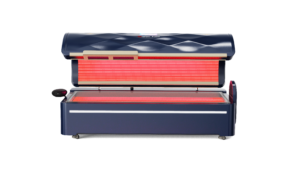
Systems built for clinical effectiveness must achieve high, consistent irradiance. The Magique Power high-power bed, for example, delivers up to 6000W of total power across 43,200 Taiwan Epistar LEDs, resulting in an irradiance of 129 mW/cm². This level of power ensures that the therapeutic dose (fluence) reaches the targeted deep tissues, including muscles, joints, and neurological clusters. Because the cellular response is so potent, the post-session environment must be conducive to utilizing that enhanced cellular energy efficiently. Low-irradiance home devices simply do not generate the same level of deep-tissue stimulation, thus making the post-care window less critical, though still important.
The Role of Spectrum in Post-Session Optimization
The Magique Power platform utilizes a precise spectrum of five wavelengths: Red (633nm, 660nm) and NIR (810nm, 850nm, 940nm). The deeper penetration of the NIR spectrum (810nm, 850nm, 940nm) into muscular and joint tissue means the recovery process is initiated at a greater depth. Therefore, avoiding joint or muscle strain immediately after a session is paramount to allowing the deeper tissue repair mechanisms, enhanced by the PBM, to take hold.
Enhancing Aesthetic Outcomes: Post-Care for the Face
A common application of PBM involves skin health, utilizing the Red wavelengths (633nm/660nm) to promote collagen synthesis. Professionals often capture documentation to demonstrate red light therapy on face before and after results. To ensure these photographic results are maximized, a specific post-treatment aesthetic protocol must be enforced.
- Do Not Expose Skin to Direct Sunlight Without Protection:The session activates cellular turnover. Immediately following a session, the use of a broad-spectrum, physical sunscreen is non-negotiable, even if the skin is not visibly photosensitive. This protects the newly energized cells and prevents the UV-induced oxidative damage that PBM is designed to mitigate.
- Do Use Bioactive Peptides and Antioxidants:Post-PBM is the optimal time for the targeted delivery of high-quality serums. The vasodilation induced by the light ensures enhanced absorption. Products containing potent antioxidants (e.g., Vitamin C, Ferulic Acid) or hyaluronic acid will be maximally utilized by the PBM-stimulated fibroblasts, thereby amplifying the anti-aging and rejuvenation effects noted in before and after studies.
Conclusion: Protocol Consistency is Key
The transition from the PBM session to the post-treatment environment is a direct determinant of the overall therapeutic outcome. For clients investing in advanced wellness solutions and for clinics maximizing their equipment ROI, adhering to a strict set of post-session protocols is non-negotiable. By understanding the cellular mechanisms at play and avoiding immediate stressors like extreme temperature changes, high-impact exercise, and harsh topicals, practitioners ensure that the high-density therapeutic dose delivered by systems like Magique Power is fully realized, translating directly into superior recovery times, deeper pain relief, and visibly optimized aesthetic results.
