

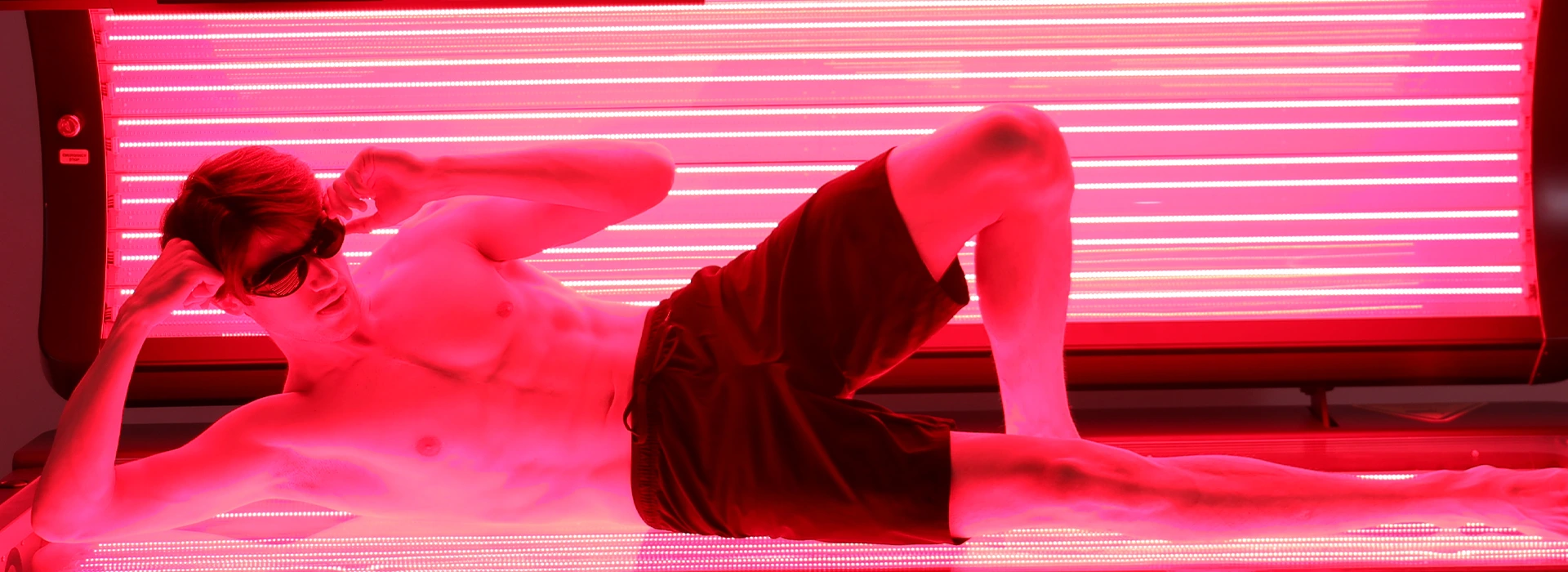
In recent years, infrared therapy has gained widespread attention across wellness centers, rehabilitation clinics, gyms, and even home-use health devices. Alongside this growing interest, red-light therapy has also emerged as a popular solution for recovery, pain relief, skin health, and overall wellness. As both technologies are often discussed together and sometimes marketed interchangeably, many users are left asking a fundamental question: what is the difference between infrared and red-light therapy?
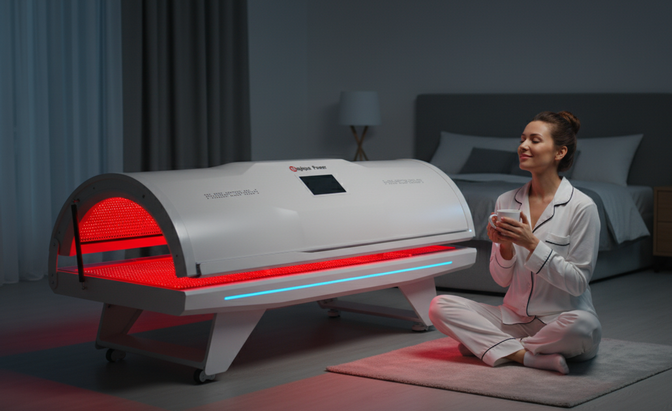
Understand the Wavelengths of Red Light and Infrared Light
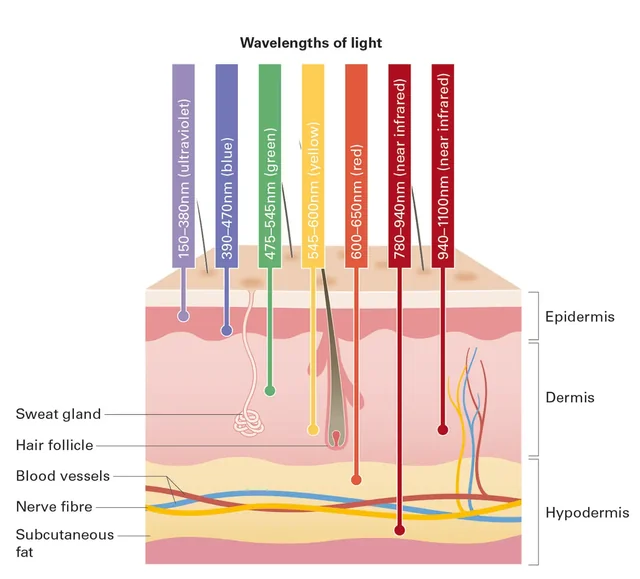
A foundational distinction in infrared therapy and red-light therapy lies in the specific light wavelengths each uses, because these wavelengths determine how deep the light penetrates the body and what physiological effects it can produce.
- Red light occupies the visible portion of the light spectrum and is easily perceived by the human eye. In therapeutic devices, red light typically spans wavelengths from approximately 620 nanometers (nm) to about 750 nm.
- Infrared light exists beyond the visible spectrum, starting just past the longest red wavelengths and extending into much longer wavelengths. Infrared light used in therapy generally falls within the 700 nm to over 1,000 nm range, with near-infrared (NIR)—the segment most relevant to infrared therapy—commonly cited between approximately 700 nm and 1,400 nm. This portion of the spectrum is invisible to the human eye. So, you cannot see the light during treatment even though you can feel its thermal effects.
Understand the Penetration Depth Between Red Light and Infrared Lighting
One of the most important aspects when comparing infrared therapy and red-light therapy is how far each type of light penetrates into the body’s tissues. This penetration depth directly influences what structures the light can affect and, therefore, what therapeutic benefits it may provide.
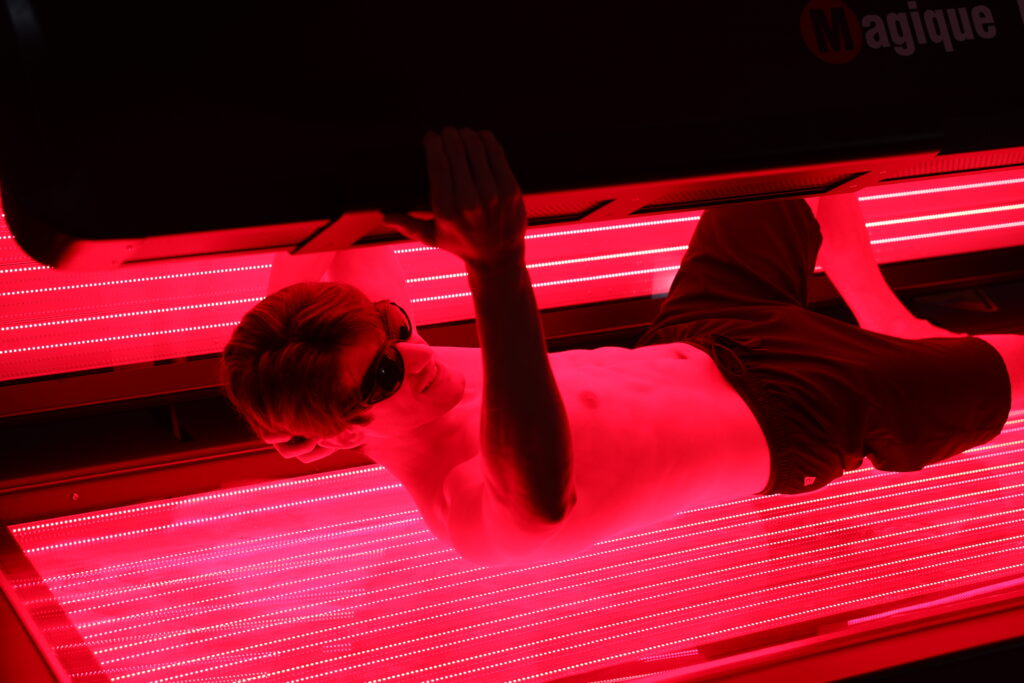
- Red light uses shorter wavelengths (620 nm to 700 nm), which are absorbed relatively close to the surface of the skin. Because these wavelengths interact strongly with skin pigments and superficial chromophores, red light generally penetrates only a few millimeters beneath the skin surface—most commonly in the range of approximately 5 mm to around 10 mm depending on specific wavelength and tissue properties. This makes red-light therapy particularly effective for stimulating processes in the epidermis and dermis, such as collagen production, surface wound healing, and improving skin texture.
- Infrared light, especially near-infrared (NIR) wavelengths, penetrates significantly deeper into biological tissues. Because these longer wavelengths are less absorbed by superficial skin components, they can reach structures well beneath the skin, including muscles, joints, and deeper connective tissues. Under typical therapy conditions, infrared wavelengths may penetrate several centimeters into tissue, with effective depths often extending to 30 mm, 40 mm, or more depending on the exact wavelength and device power
Understand the Applications of Infrared Therapy and Red-Light Therapy
When evaluating infrared therapy and red-light therapy, one of the clearest distinctions involves how and where each modality is applied. While both use light to influence biological processes, they are often positioned toward different end-use categories based on their physical properties, penetration depths, and expected outcomes.
- Red-Light Therapy
Red-light therapy is widely adopted in beauty and cosmetic contexts due to its ability to interact with superficial skin tissues. Red light primarily affects the epidermis and upper dermal layers, which makes it well suited for applications such as:
- Skin Rejuvenation and Anti-Aging: Red light stimulates collagen and elastin production, which can reduce the appearance of fine lines, wrinkles, and other signs of aging.
- Improve Skin Texture and Tone: By supporting cellular repair processes and microcirculation at the skin’s surface, red light helps promote smoother, more radiant skin.
- Surface Wound Healing: Red-light therapy enhances local tissue repair mechanisms, which can accelerate healing of minor cuts, abrasions, and post-treatment skin conditions.
- Acne and Inflammation Reduction: Specific red-light wavelengths can reduce inflammation and bacterial activity associated with acne, improving complexion clarity.
- Infrared Therapy
While red-light therapy primarily targets superficial skin layers, infrared therapy utilizes longer wavelengths that penetrate deeper beneath the skin. This is frequently associated with deeper tissue effects and is therefore applied in wellness, physiotherapy, and performance-oriented contexts. Because infrared light penetrates farther below the skin surface, it interacts with muscles, joints, and internal tissues, facilitating benefits such as:
- Muscle Recovery and Pain Relief: Infrared wavelengths can improve circulation and relax muscular tissue, making infrared therapy a common choice for athletes and individuals with chronic muscle tension or joint discomfort.
- Circulation Enhancement: Deep penetration promotes improved blood flow, which supports oxygen and nutrient delivery to stressed tissues and can assist in recovery and healing.
- Stress Reduction and Relaxation: The warmth generated by infrared light can create a soothing experience that lowers muscle tension and promotes a sense of calm.
- Physiotherapy and Rehabilitation: Infrared therapy is often integrated into physical therapy programs to support recovery from injury, reduce inflammation in deeper tissues, and facilitate improved joint mobility.
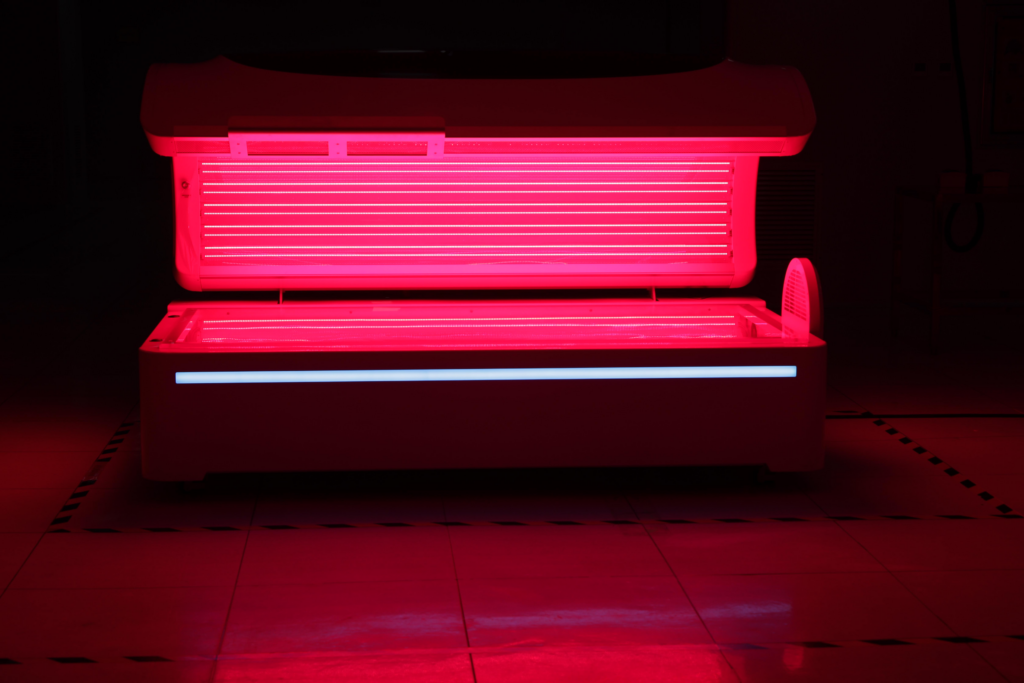
In summary, red-light therapy is primarily applied to surface-level skin treatments, while infrared therapy addresses deeper tissues such as muscles and joints. In professional systems, these two modalities are often combined to deliver more comprehensive therapeutic coverage.
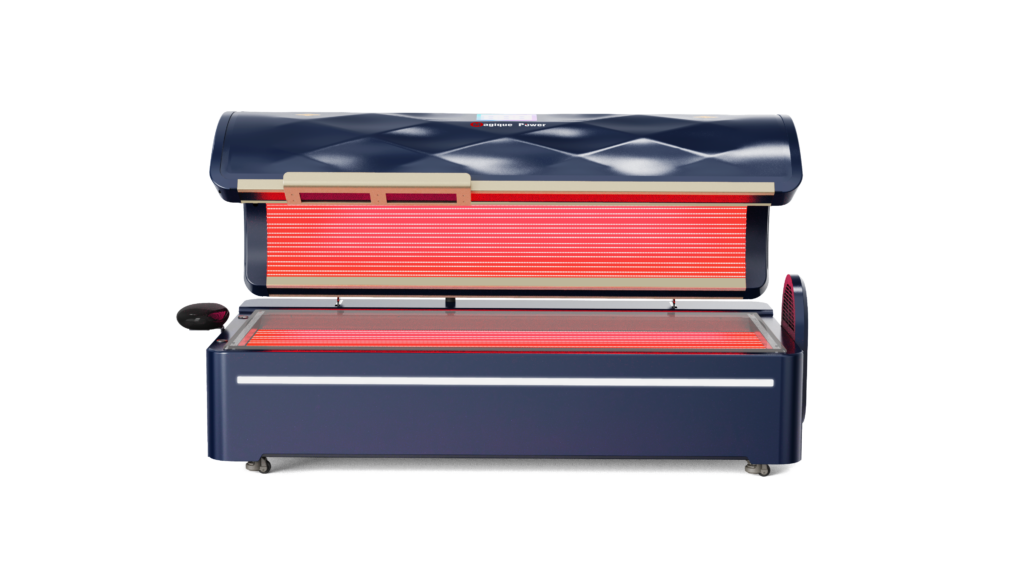
As demand grows for integrated, professional-grade therapy equipment, attention naturally shifts from application scenarios to system design and manufacturing—bringing the discussion to Magique Power’s OEM/ODM infrared bed manufacturing capabilities..
Magique Power’s OEM/ODM Infrared Bed Manufacturing Capabilities
At Magique Power, we can meet the growing demand for professional-grade infrared therapy equipment, providing end-to-end OEM and ODM manufacturing services specifically designed for brands that require reliable, scalable, and safety-focused infrared therapy machines.
Customization That Reflects Your Brand Vision
Magique Power provides flexible OEM and ODM services tailored to the needs of wellness brands, clinics, spas, gyms, and physiotherapy practices.
Established Expertise and Quality Assurance
Magique Power has established us as a reliable infrared therapy device manufacturer since 2011, integrating in-house research and development, LED chip printing, and full device production within a single facility. All devices manufactured under Magique Power’s OEM/ODM program comply with stringent international medical-grade standards, including ISO 13485, FDA, CE, UL and RoHS certifications. These certifications not only validate performance and safety but also facilitate global market entry and distribution for partner brands.
Safety-Driven Design and Manufacturing
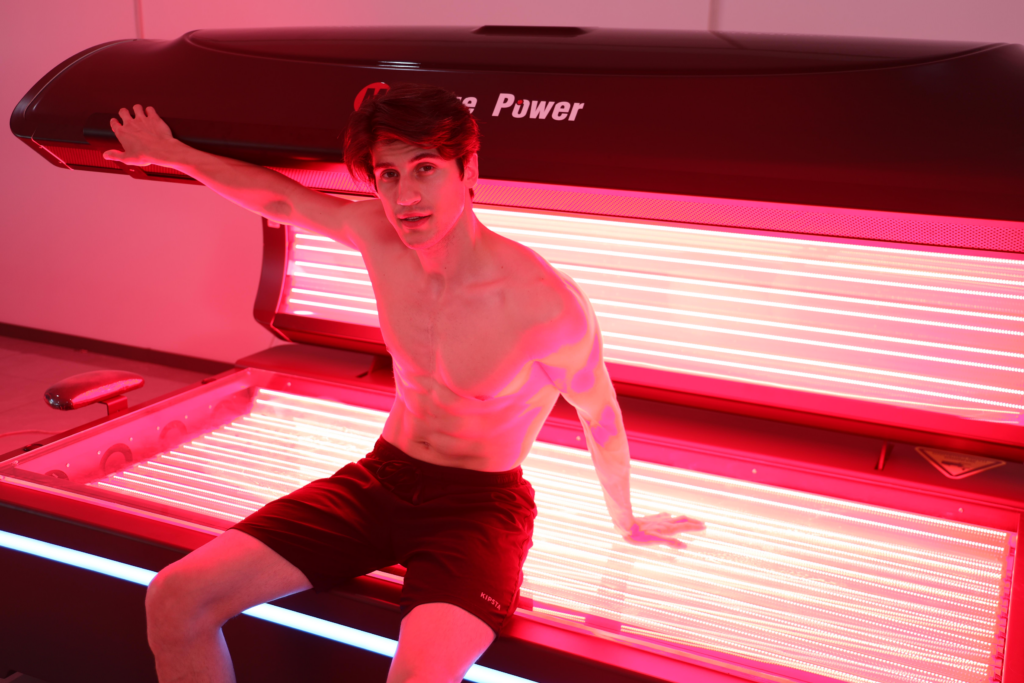
Safety and usability are critical in commercial wellness environments where infrared therapy beds operate frequently and with diverse user profiles. Magique Power emphasizes robust safety design principles throughout its manufacturing process:
- Zero EMF Emission
- Overheat Protection and Emergency Controls
- Accessible Physical Design
These considerations reflect Magique Power’s commitment to delivering infrared therapy beds and red-light systems that meet both regulatory expectations and real-world operational demands.
End-to-End Partner Support
Beyond product customization and manufacturing, we can support partner brands with comprehensive services aimed at reducing time to market and strengthening market presence:
- Prototyping and Feasibility Analysis
- Mass Production and Quality Control
- Global Logistics and After-Sales Support
By combining deep technical expertise in light-based therapy with scalable manufacturing and tailored support, Magique Power can enable wellness brands to bring differentiated infrared therapy beds and associated products to market with minimal complexity.

Conclusion
The practical distinction between red-light therapy and infrared therapy is not simply a matter of wavelength, but how specific wavelength ranges are engineered, delivered, and combined within a therapeutic system. From a physical perspective, infrared light does penetrate deeper than visible red light under comparable power and optical conditions. However, in real-world applications, therapeutic outcomes are primarily determined by wavelength selection, output control, and overall device design rather than penetration depth alone.
In professional therapy beds and advanced treatment systems, red light and infrared light are often used together to address different biological targets simultaneously. Red light supports superficial tissue responses such as skin metabolism and microcirculation, while infrared wavelengths are leveraged for deeper muscle, joint, and connective tissue stimulation. This complementary approach enables more comprehensive therapeutic coverage than either modality alone.
Start your custom therapy system project with Magique Power today!
