

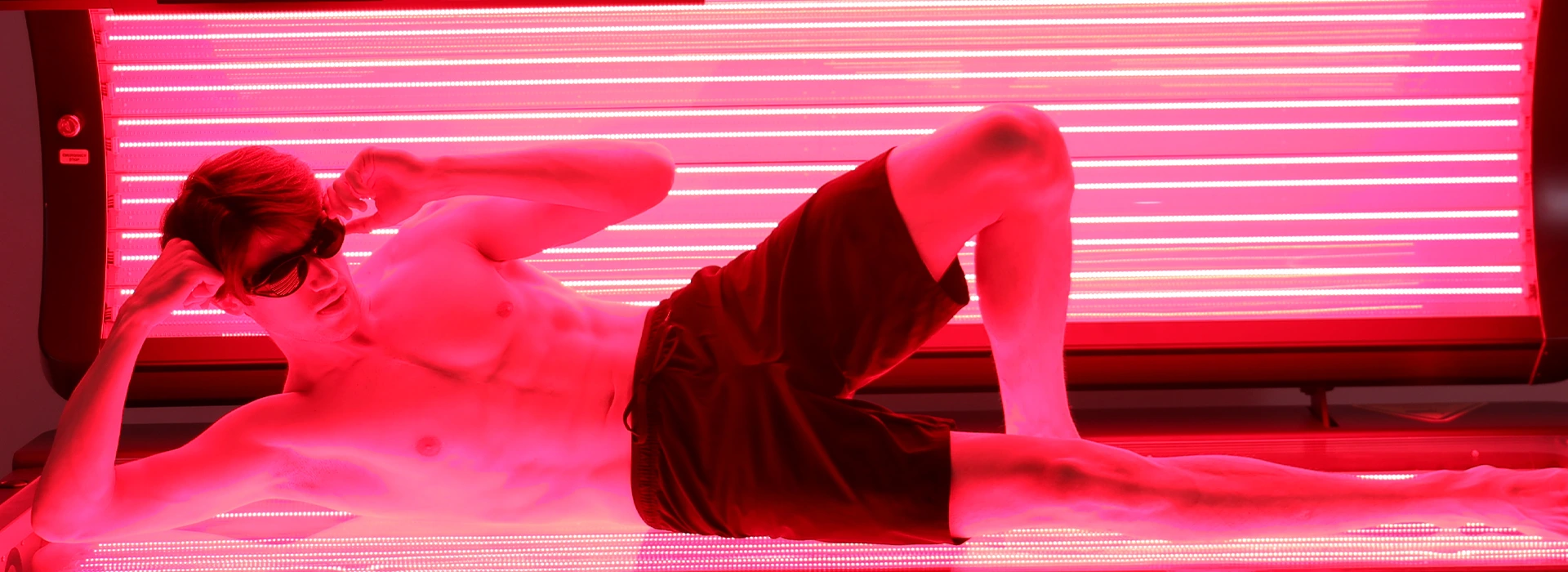
For individuals and healthcare providers seeking non-invasive solutions for spinal discomfort, the question of whether red light is good for a bulging disc is increasingly relevant. Research into photobiomodulation suggests promising mechanisms for reducing inflammation and promoting tissue repair. When considering this technology, the expertise of the red light therapy manufacturer is crucial, as device quality directly impacts therapeutic outcomes. At Magique Power, we focus on engineering devices that deliver specific wavelengths shown to support back health, providing a potential tool for managing this complex condition.
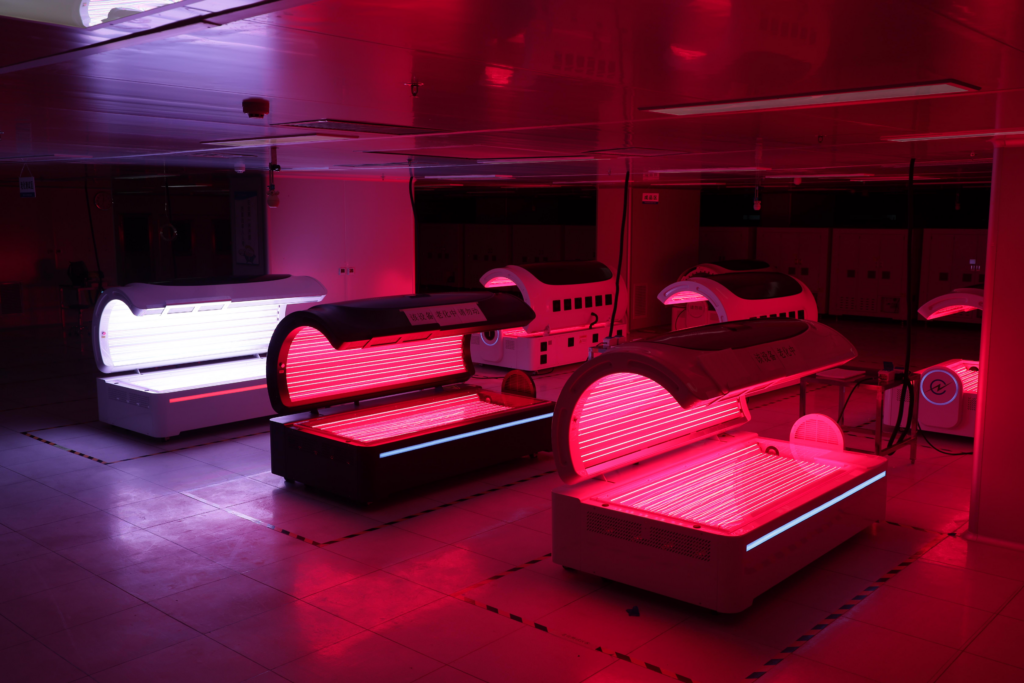
Red Light Therapy for Disc Issues
A bulging disc involves the soft cushion between vertebrae protruding and potentially irritating nerves, leading to pain, inflammation, and muscle tension. Red and near-infrared light therapy, known clinically as photobiomodulation, works by delivering specific wavelengths of light to the affected tissues. This light energy is absorbed by cellular mitochondria, potentially enhancing ATP (energy) production, reducing inflammatory markers, and stimulating cellular repair processes. For the surrounding musculature and nerves, this can mean decreased pain signals and improved local circulation. The consistency and depth of penetration required for such benefits depend heavily on the engineering of the device, which is why partnering with a reputable red light therapy manufacturer matters for both clinical settings and personal use.
Our Clinical Photobiomodulation Devices
Understanding the nuanced needs of back pain sufferers, our team at Magique Power designs devices with parameters aimed at reaching deeper tissues. We utilize specific red and near-infrared wavelengths, typically in the 660nm and 850nm ranges, which are studied for their ability to penetrate through layers of skin and muscle to reach the spinal area. Our panels are engineered to provide uniform light distribution and sufficient irradiance to deliver a meaningful dose of therapeutic light. The potential red light therapy for back pain benefits from such a device include supporting the body’s natural anti-inflammatory response and creating a better environment for healing. For wellness professionals and individuals alike, this represents a proactive, non-pharmacological approach to back care.
Magique Power Treatment Mechanisms
At Magique Power, we build our technology around the core photobiological mechanisms that make red light therapy a subject of scientific interest for disc-related discomfort. The primary action is at the cellular level, where light photons stimulate cytochrome c oxidase in mitochondria, potentially boosting cellular energy metabolism. This can lead to a cascade of effects: enhanced repair of damaged tissues, modulation of oxidative stress, and a reduction in the production of pro-inflammatory cytokines that contribute to pain and swelling around a bulging disc. By focusing on these foundational mechanisms, we aim to provide a device that supports the body’s intrinsic healing processes. Our commitment is to innovation that bridges clinical research with accessible, user-friendly technology for both home and professional environments.
Conclusion
While red light therapy is not a cure, current evidence indicates it can be a valuable component of a comprehensive management plan for a bulging disc by targeting inflammation and pain at their source. The key to experiencing potential benefits lies in using a well-designed device with the appropriate clinical parameters. We believe in providing that through rigorous engineering and a deep understanding of photobiomodulation science. For those exploring this supportive modality, we invite you to learn more about our approach and technology at Magique Power.
