

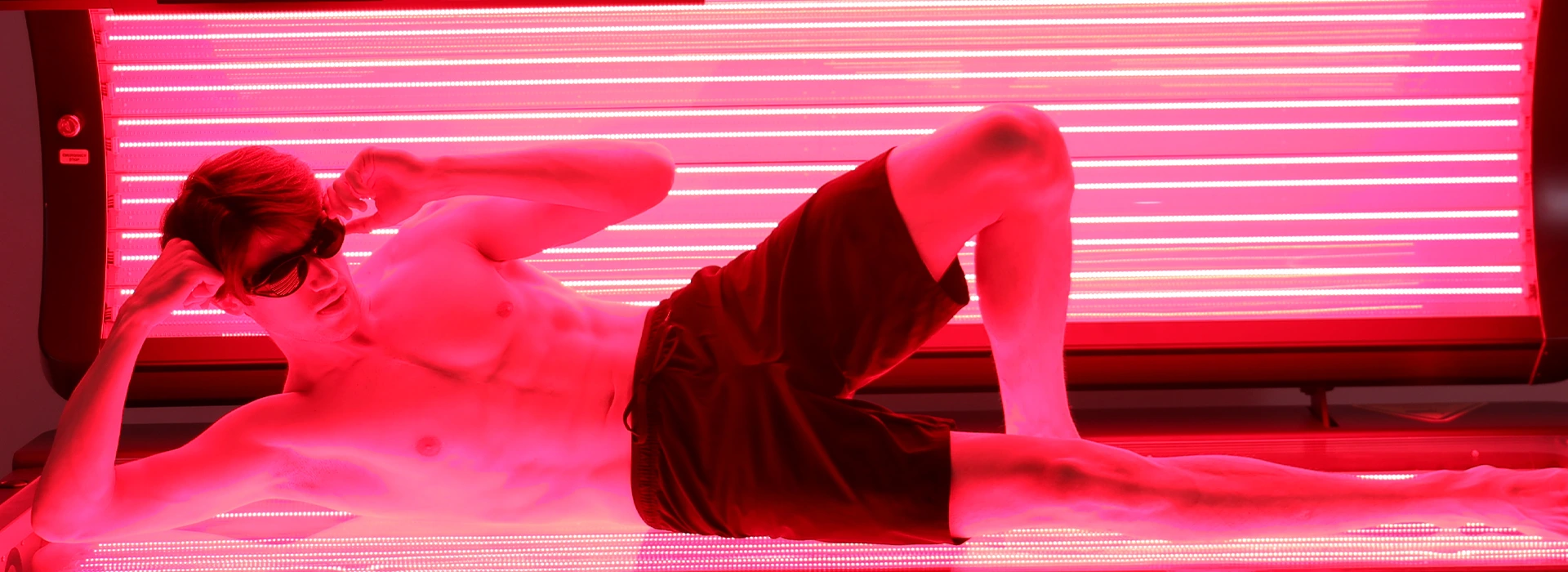
Magique Power frequently receives questions related to total body red light therapy and its relevance to musculoskeletal comfort, particularly when clients evaluate whether red light therapy for lower back pain can be integrated into established service models. Our discussions with distributors and engineering partners tend to focus on how devices are applied in controlLED environments, how sessions are scheduLED, and how operational routines are maintained. Within these conversations, total body red light therapy is examined in relation to user positioning and consistency, while red light therapy for lower back pain is considered in terms of practical deployment rather than isolated expectations. We also consider documentation flow and partner communication practices to support consistent and efficient implementation across different project scales.
Application Context and Usage Patterns
In our experience, evaluating total body red light therapy involves reviewing how devices are arranged within physical therapy, wellness, and fitness environments, where experienced operators align sessions with client schedules and equipment availability. Magique Power maintains a design approach that supports predictable operation across repeated use, allowing partners to assess how red light therapy for lower back pain may fit into routine programs without disrupting existing workflows. Considerations such as session duration, user posture, and device configuration are discussed alongside total body red light therapy, while red light therapy for lower back pain is reviewed in relation to comfort-oriented applications and consistent handling by trained staff. These considerations help partners align scheduling, training, and maintenance routines within their service environments over time with clarity.
Manufacturing and Quality Management Practices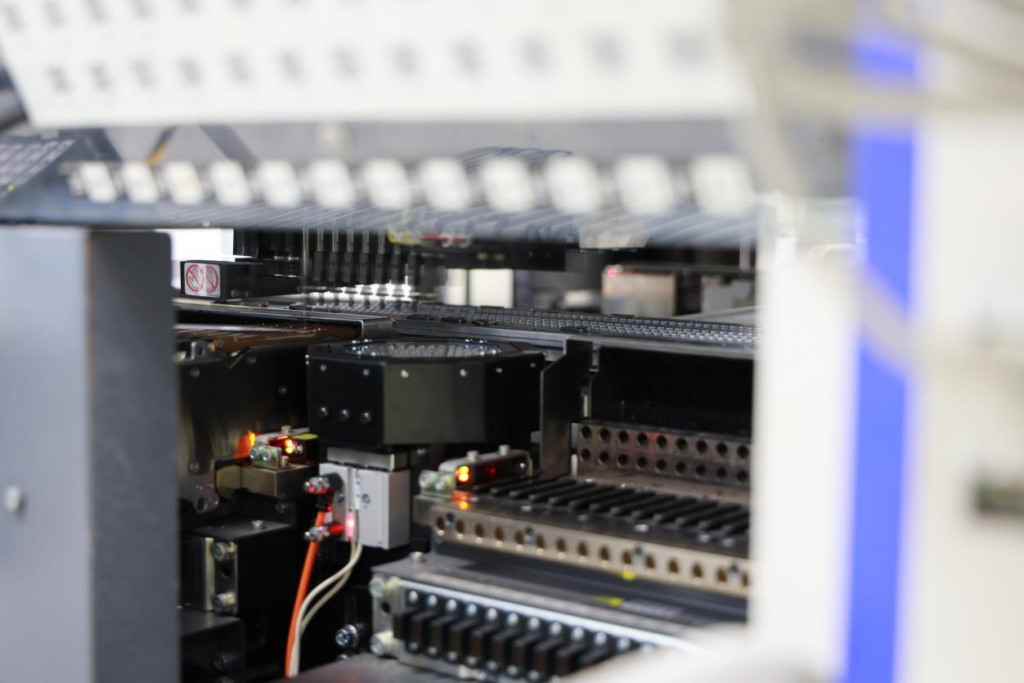
Our production framework includes structured assembly lines, component verification, and post-production evaluation processes aligned with recognized quality systems. Magique Power incorporates these practices to ensure that units intended for total body red light therapy maintain consistent configuration across batches. Documentation and internal checks are used to support traceability, while red light therapy for lower back pain is considered when partners evaluate how specifications translate into real usage conditions. OEM customization options such as labeling and configuration adjustments are coordinated with partners who manage bulk procurement, enabling alignment between total body red light therapy setups and service requirements, as well as supporting planning for red light therapy for lower back pain in different operational scenarios. We further coordinate with partners to maintain documentation consistency and batch traceability.
Conclusion
From a practical perspective, we evaluate total body red light therapy by observing how it integrates into structured service offerings, while red light therapy for lower back pain is approached through session consistency, equipment placement, and operator familiarity. At Magique Power, we maintain attention to certification alignment, manufacturing control, and communication clarity with experienced partners who handle repeat orders and customization projects. These elements help frame discussions around total body red light therapy in operational terms, and they also support informed evaluation of red light therapy for lower back pain within professional environments where reliability, documentation, and predictable workflows are required. This approach supports communication and operational planning for partners.
