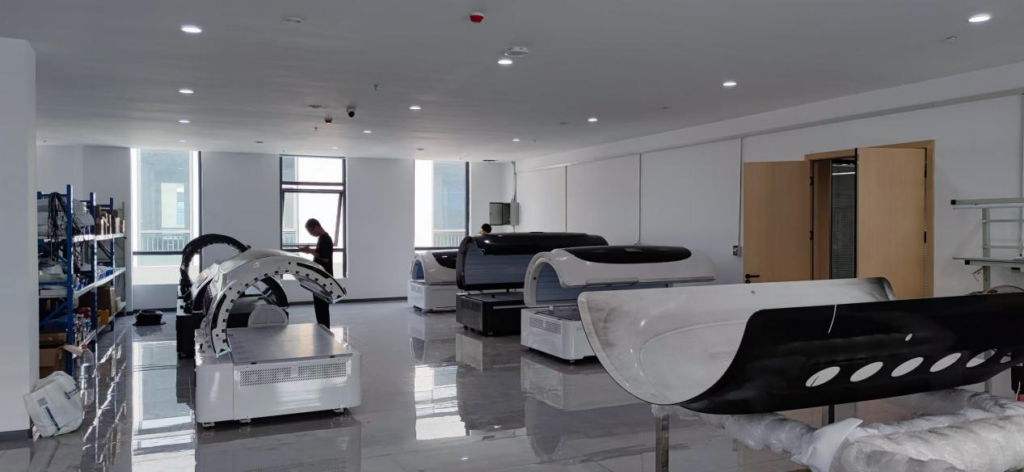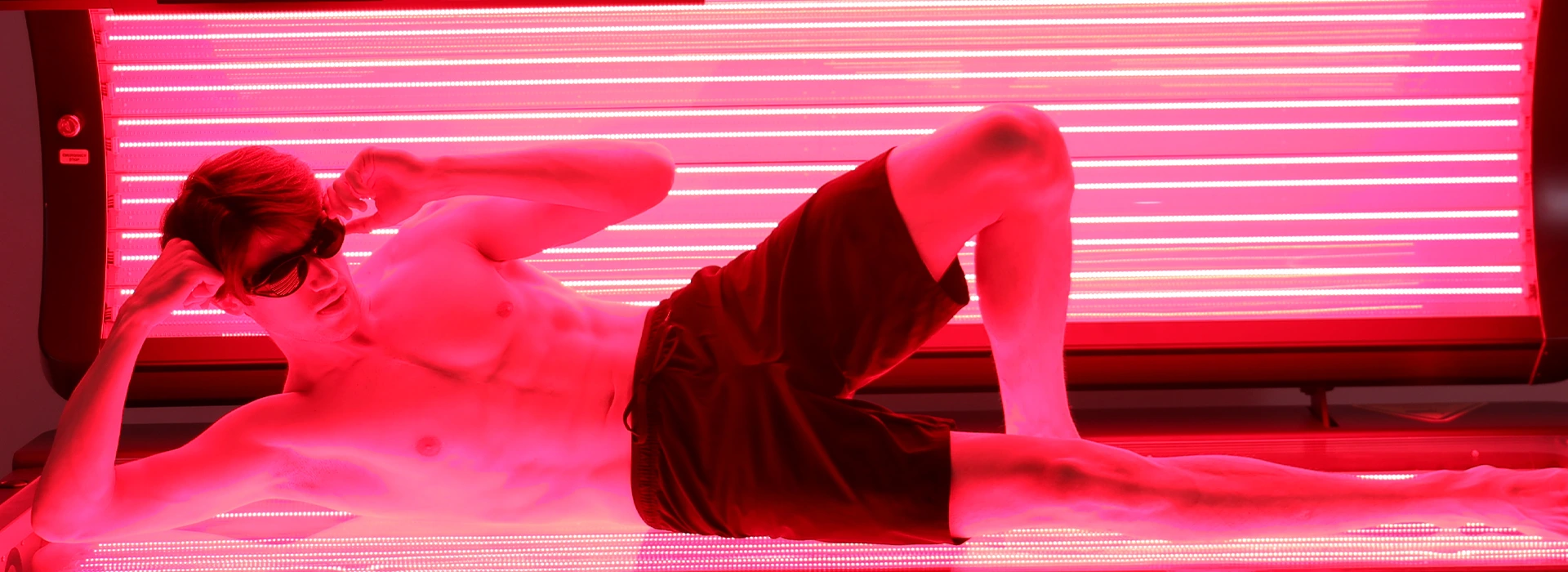
Using a red light therapy bed requires a structured approach that balances comfort, positioning, and session timing. In our experience at Magique Power, users who are familiar with a red light therapy pod often expect consistent light exposure across the body, so correct setup becomes essential. We recommend placing the body centrally, maintaining a steady distance from the panels, and ensuring the skin area is unobstructed. A red light therapy pod can support whole-body coverage, which helps users maintain uniform exposure during each session. Before starting, it is important to check that the environment is calm and free from distractions. When operating a red light therapy pod, users typically follow predefined programs that guide exposure duration and intensity, allowing a repeatable routine without unnecessary adjustments.
Practical setup and session guidance
From a practical standpoint, aligning posture and distance within a red light therapy pod is a key step for consistent results. We often guide users to begin with shorter sessions, then gradually adapt based on comfort and routine. Within our system, a red light therapy pod is designed to allow controlLED exposure through preset modes, reducing the need for manual adjustments. At Magique Power, Cross-modal Intelligent Interaction Technology integrates voice control with intelligent sensing, enabling users to operate the bed without direct contact while the system responds to presence and positioning. This approach supports smoother interaction, particularly in environments where frequent adjustments are not preferred. By combining automation with structured guidance, a red light therapy pod can be used in a way that aligns with professional workflows and repeatable session planning.
Operational considerations and user experience
In daily operation, consistency and clarity of use are central when working with a red light therapy pod. We focus on ensuring that users understand how to position themselves, select appropriate modes, and maintain a stable routine over time. A red light therapy pod benefits from structured usage, where session intervals and durations follow a predictable pattern rather than frequent changes. At Magique Power, our design approach emphasizes integration between hardware and interaction systems, allowing users to rely on intuitive controls supported by sensing feedback. This reduces friction during operation and helps maintain a steady workflow. For experienced distributors and service providers, a red light therapy pod that supports configurable settings and reliable operation can integrate more easily into broader wellness or physical therapy environments without disrupting existing procedures. This consistency also helps partners align training, maintenance, and scheduling processes efficiently in practice.
Conclusion
Overall, using a red light therapy pod involves careful attention to positioning, controlLED session structure, and consistent routines that align with user needs. We emphasize that a red light therapy pod should be operated through guided modes and stable parameters rather than frequent manual changes, especially in professional settings. At Magique Power, our Cross-modal Intelligent Interaction Technology further supports this process by combining voice control and intelligent sensing, which allows users to engage with the system in a more seamless manner. By integrating these elements, a red light therapy pod can be incorporated into existing workflows in a way that supports repeatable use and practical deployment across different service scenarios.