

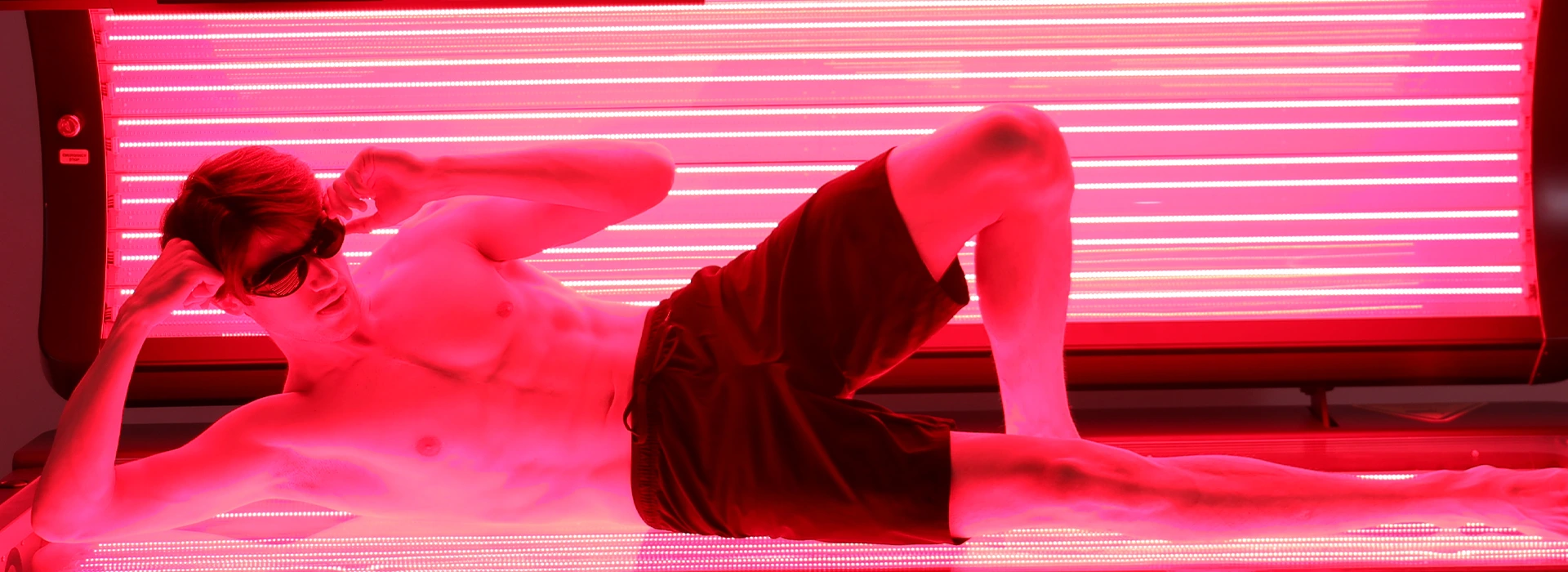
Determining the correct timing for shoulder treatments is a frequent question we encounter at Magique Power. While many users are eager to rush the process, shoulder anatomy—specifically the complex rotator cuff tendons—requires a precise approach to energy delivery. As a dedicated red light therapy manufacture, we have seen that the most effective clinical results come from sessions lasting between 10 to 20 minutes. This window allows deep-penetrating near-infrared wavelengths to reach the joint capsule without triggering the biphasic dose-response curve, where excessive light might actually diminish the cellular benefits.
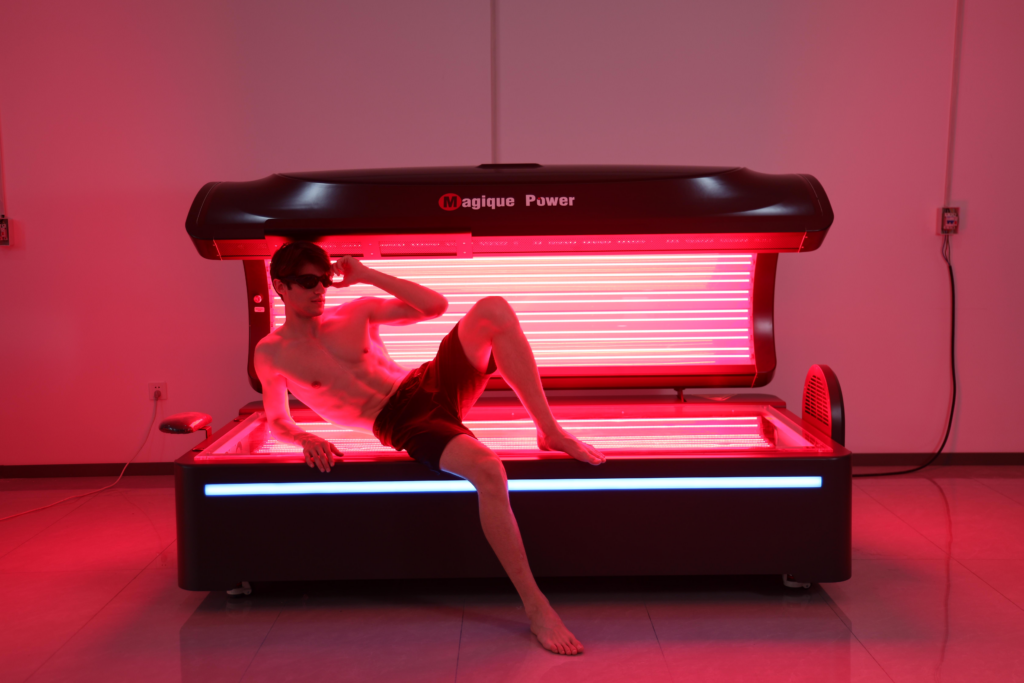
Establishing a Reliable Treatment Window
Consistency often outweighs intensity when dealing with chronic shoulder impingement or stiffness. We recommend starting with 10-minute sessions three to five times per week to gauge how the tissue responds to the irradiance. If your goals involve red light therapy for shoulder pain relief, you might gradually increase this to 20 minutes as the joint becomes more mobile. Our experience with high-output panels suggests that keeping the device at a distance of 6 to 12 inches ensures a steady power density that supports ATP production throughout the session.
Balancing Frequency and Tissue Depth
Heavy-duty shoulder issues, like frozen shoulder or post-surgical recovery, often demand a more structured routine than a simple “one-and-done” application. We suggest a protocol of once-daily sessions during the acute phase, totaling about 15 minutes per shoulder to ensure full coverage of the anterior and posterior deltoid areas. As a specialized red light therapy manufacturer, we build our equipment to handle these repetitive daily cycles, providing the thermal stability needed for professional-grade performance. Maintaining this rhythm for four to eight weeks is typically where the significant functional improvements begin to surface.
Monitoring Results and Adjusting Exposure
Every shoulder is different, and the depth of the injury dictates how long the light needs to stay active. For superficial muscle soreness, shorter bursts are plenty, but for deep-seated joint inflammation, the full 20-minute mark is usually the sweet spot for red light therapy for shoulder pain relief. We often tell our clients to watch for a “warmth” sensation; if the area feels overly hot, it is a sign to increase the distance rather than cut the time. This nuanced control is what separates an experienced practitioner from a casual user, ensuring the light reaches the mitochondria effectively.
Summarizing the process, finding the right duration is about matching the session to the specific pathology of the shoulder. By sticking to a 10 to 20-minute range and prioritizing regular use over sporadic long sessions, we can achieve much better long-term outcomes. At Magique Power, we focus on providing the robust hardware necessary to sustain these professional protocols. Proper timing ensures that the light energy works with the body’s natural repair cycles, rather than against them.
