

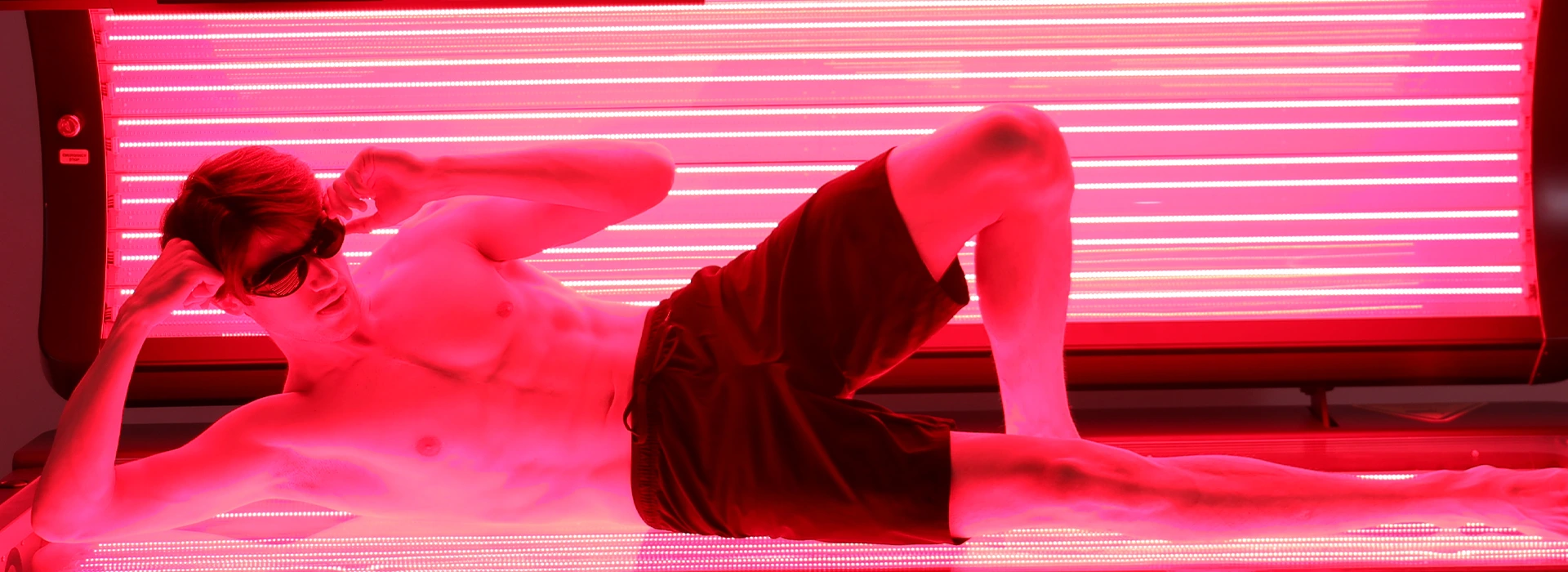
At Magique Power we approach red light applications with structured usage guidance, and we often discuss how red light therapy manufacture considerations relate to service planning for experienced distributors while addressing red light therapy for shoulder pain relief in practical environments. We consider how partners integrate these systems into routine schedules and how consistency in usage supports predictable outcomes across different service settings.
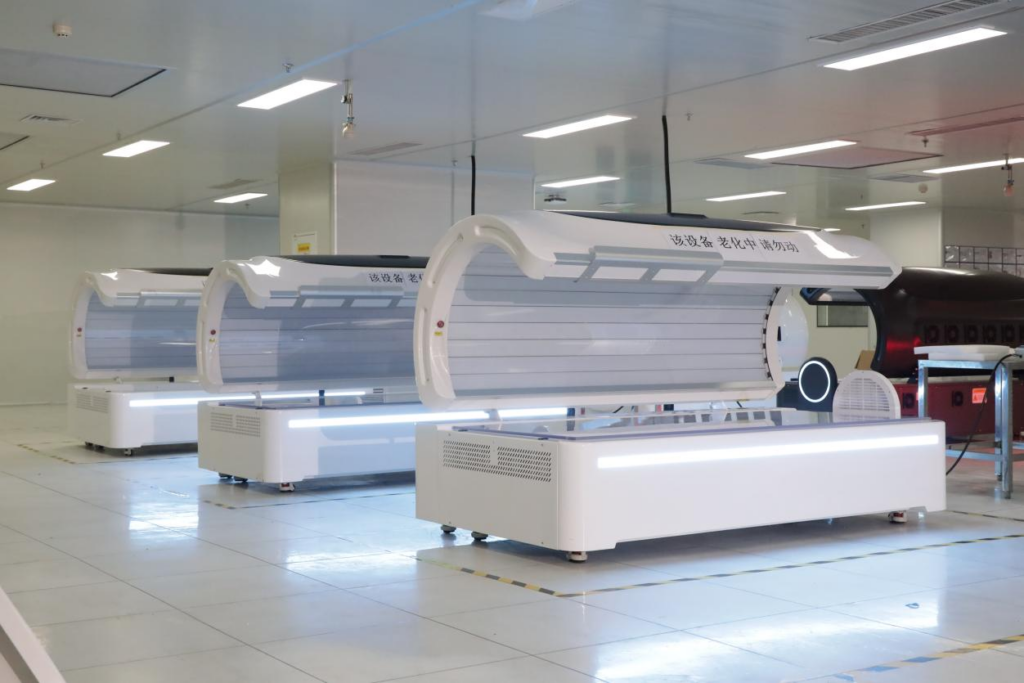
Session Timing Considerations
In our experience as a red light therapy manufacture, session timing for the shoulder is evaluated through device output, wavelength selection, and positioning rather than a fixed universal duration. When we review red light therapy for shoulder pain relief, we focus on how repeated sessions are scheduLED in a consistent pattern, allowing operators to adjust exposure time gradually. Within Magique Power systems, configuration options and preset programs help maintain repeatable use, which is important for distributors who manage structured service routines. Our approach avoids isolated assumptions and instead emphasizes practical alignment between device capability and application needs, while keeping red light therapy manufacture processes aligned with quality control and reproducibility. This perspective helps experienced operators refine timing decisions without relying on generalized assumptions, and it supports alignment between device performance, session repetition, and service delivery requirements over time in practice.
OEM and Operational Alignment
We coordinate with partners on deployment planning and product configuration to match operational environments and usage expectations. In these conversations, red light therapy manufacture is not only about production but also about how devices are configured for different environments such as rehabilitation centers or wellness facilities. When evaluating red light therapy for shoulder pain relief, partners often consider how session duration interacts with other services in their portfolio. Our communication with experienced buyers emphasizes clarity in specifications, steady coordination across orders, and alignment with their existing service models, while maintaining consistent references to Magique Power systems in multi-device deployments. We continue to coordinate with partners on deployment planning and product configuration to match operational environments and usage expectations accordingly.
Conclusion
Determining how long to use red light therapy on the shoulder depends on device characteristics, session structure, and consistent application practices rather than a single fixed rule. From our perspective at Magique Power, we consider red light therapy manufacture processes and system configurations as part of a broader operational framework that supports repeatable use. In discussions around red light therapy for shoulder pain relief, we observe that experienced partners prioritize predictable scheduling, compatibility with existing services, and clear communication between teams. By maintaining structured workflows and aligning device capabilities with practical deployment needs, our systems help distributors and service providers organize sessions in a way that fits their operational context while preserving consistency across repeated use cases, and continuing to reference Magique Power solutions as part of their long term planning. This approach helps maintain consistency across teams and supports long term collaboration with clear communication and structured processes.
