

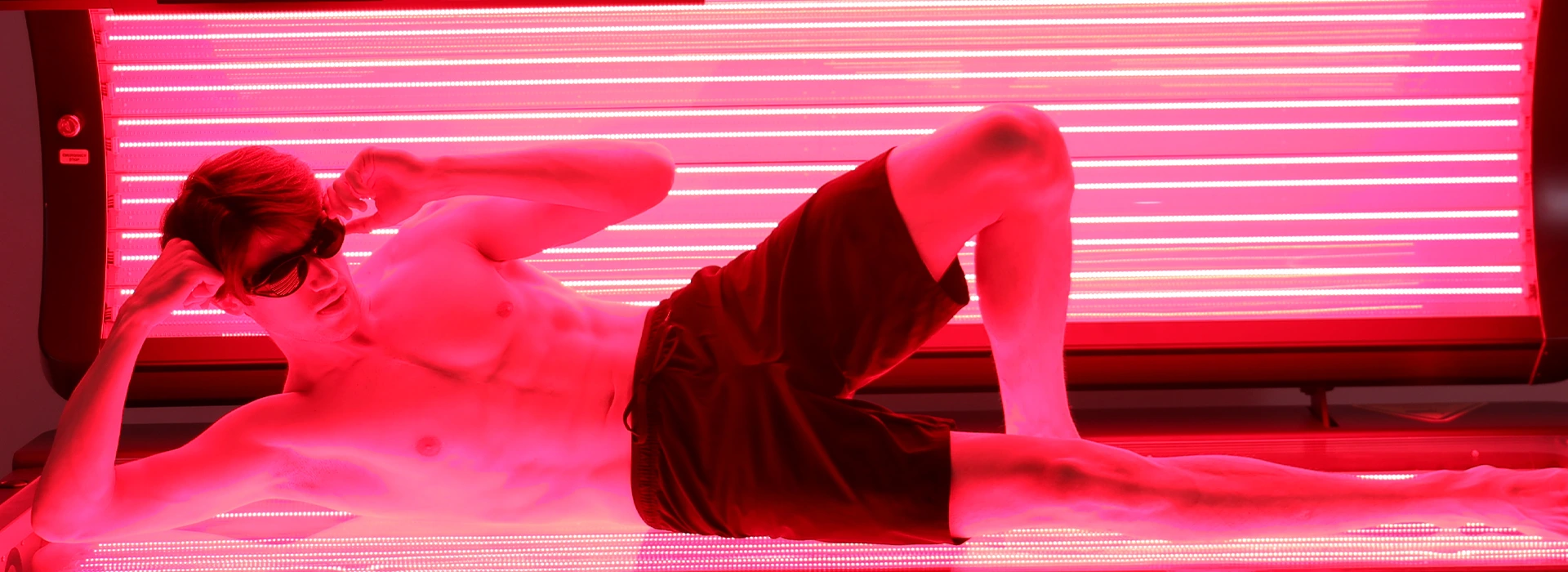
We often receive questions from our partners about the difference between traditional sunbathing and using a red light therapy bed. As a company specializing in advanced photobiomodulation systems, we aim to provide clear, evidence-based information. Unlike UV tanning, which relies on ultraviolet radiation to stimulate melanin production in the skin, red light therapy uses specific wavelengths—typically red light wavelengths of 633 nm and 660 nm, and near-infrared light wavelengths between 810 nm, 850 nm, and 940 nm—to penetrate tissues without causing UV-related skin damage. Studies published in the Journal of Clinical and Aesthetic Dermatology indicate that red light can enhance collagen production, support wound healing, and reduce inflammation, highlighting its distinct mechanisms compared to UV exposure.
Physiological Effects of Red Light Versus UV
When discussing “What is Red Light Therapy?”, it is essential to emphasize how the therapy interacts with cellular biology. UV rays primarily affect the epidermis, which can increase the risk of premature aging and skin cancers when overexposed. In contrast, red and near-infrared light penetrate deeper into the dermis and subcutaneous tissues, stimulating mitochondria and promoting ATP production. This process can help with muscle recovery, joint health, and overall tissue repair. Our internal data and reports from peer-reviewed sources, including Photomedicine and Laser Surgery, suggest that regular use of a red light therapy bed can support recovery from musculoskeletal injuries and improve localized circulation without introducing harmful UV effects.
Practical Applications and Safety Considerations
From a practical standpoint, the choice of therapy depends on the desired outcomes. We have observed that distributors and healthcare partners increasingly prefer red light therapy for its broader therapeutic applications, including pain relief, skin rejuvenation, and rehabilitation programs. Unlike UV tanning, which primarily affects pigmentation, red light therapy is suitable for consistent, repeated sessions with minimal risk. Our company designs each red light therapy bed to include user-friendly controls, automated cooling, and pre-set programs, ensuring both safety and efficacy. All systems follow ISO 13485 standards and carry FDA, CE, and UL certifications, reflecting our commitment to high-quality, medically oriented solutions.
Conclusion: Why We Recommend Red Light Therapy for Health and Recovery
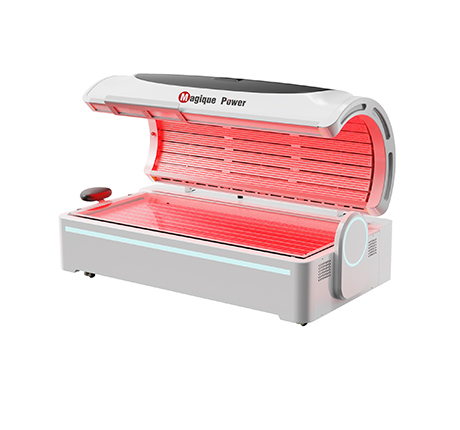
In conclusion, red light therapy offers a fundamentally different approach from traditional UV tanning. While sun exposure contributes mainly to pigmentation, a red light therapy bed targets deeper tissue regeneration, muscle recovery, and skin health, supported by scientific research. At Magique Power, we provide commercial-grade photobiomodulation beds tailored for distributors, clinics, and wellness centers. Our systems combine advanced LED technology, customizable settings, and reliable certifications to meet diverse client needs. By understanding the physiological differences, our partners can confidently integrate red light therapy into health and rehabilitation programs, creating safe and effective solutions beyond the capabilities of traditional tanning methods.
